Our Policy Is Great Service. Call Us At 850-994-9211 Today!

Our Policy Is Great Service. Get A Quote!

Category

Helpful Information

independent vs captive insurance agents

Independent vs. Captive Insurance Agents

By Helpful Information

Independent vs. Captive Insurance Agents

Understanding the Difference

Choosing an insurance agent is an important decision that often shapes coverage, cost, and long term satisfaction. Many Floridians are not sure whether an independent or captive insurance agent is the better option. Understanding how these two types of agents work helps clarify which approach may fit individual needs.

A captive insurance agent represents a single insurance company. Their role is to sell and service policies offered by that one provider. This structure can work well for people who are comfortable with a specific brand or already know which company they want to use.

Independent insurance agents operate differently. Instead of working with one insurer, they partner with multiple insurance companies. This allows them to compare coverage options, pricing, and policy features across different providers.

Choice and Flexibility

The biggest difference between the two comes down to choice. Captive agents focus on one set of products, while independent agents can present several options. For many consumers, this flexibility is a deciding factor.

Florida presents unique insurance challenges that make choice especially valuable. Weather risks, population growth, and regional differences all influence insurance availability and pricing. What works in one part of the state may not work as well in another.

An independent agent can help navigate these differences by comparing policies suited to specific locations. Coastal areas, inland communities, and flood prone regions often require different approaches to coverage. Having access to multiple insurers allows for more tailored solutions.

Independent agents offer flexibility by comparing multiple providers, which can be especially helpful in Florida’s varied insurance landscape. This flexibility gives consumers more control over how coverage is structured.

Benefits of Captive Agents

Captive agents, on the other hand, may offer deep knowledge of their company’s products. They are often well trained in the details of their policies and systems. For some customers, this familiarity creates a sense of consistency and simplicity.

Captive agents may also appeal to those who prefer brand loyalty or streamlined choices. Working with one company can simplify decisions for people who value familiarity over comparison.

How Market Changes Affect Coverage

However, relying on a single insurer can limit options when rates increase or underwriting guidelines change. If a company tightens requirements or raises premiums, a captive agent has fewer alternatives to offer.

Independent agents can respond differently to these changes. If one insurer becomes less competitive, they may be able to suggest another provider with more favorable terms. This adaptability can be valuable in a state where insurance markets shift frequently.

Another consideration is how coverage evolves over time. Life changes such as buying a home, adding drivers, or starting a business can alter insurance needs. An agent who can shop across carriers may adjust coverage more easily as circumstances change.

Claims and Customer Support

Claims experience is another factor that influences how people view their agent relationship. Both independent and captive agents assist with claims, but access to multiple carriers can offer perspective when issues arise. Understanding how different insurers handle claims helps set expectations.

It is also important to consider how advice is delivered. Independent agents typically focus on matching coverage to individual needs rather than promoting a single product line. This approach can feel more consultative for some consumers.

Comparing Cost and Coverage

Cost is often a major concern, but it should not be the only one. Lower premiums may come with different deductibles, exclusions, or coverage limits. Comparing policies side by side helps reveal true value rather than focusing on price alone.

For Floridians, location plays a significant role in insurance decisions. Risks related to hurricanes, flooding, and traffic density vary widely across the state. Independent agents can compare how different insurers price and cover those risks.

Choosing the Right Fit

There is no universal answer to which option is better. The right choice depends on priorities such as flexibility, variety, simplicity, and long term planning. Understanding these differences allows consumers to make a more informed decision.

Insurance decisions are rarely one time events. Coverage should be reviewed and adjusted as risks and needs change. An agent relationship that supports ongoing evaluation adds value over time.

For many Floridians, the ability to compare multiple options provides reassurance. Knowing that coverage was selected from several possibilities builds confidence, especially in an unpredictable insurance environment.

Ultimately, the goal is not choosing a type of agent, but choosing the right protection. Whether independent or captive, an informed decision helps ensure coverage fits both current needs and future uncertainties.

To learn more about independent insurance agencies visit the Florida Association of Insurance Agents.
flood insurance coverage in florida

Flood Insurance Coverage in Florida

By Helpful Information

What Does Flood Insurance Actually Cover in Florida?

Why Flood Insurance Matters in Florida

Flood insurance is often misunderstood, even in a state where flooding is a common risk. Many Florida homeowners assume their standard home insurance policy will protect them if water enters the house. In reality, flood damage is excluded from most home insurance policies, making separate flood insurance an important consideration.

Flood insurance is designed to cover damage caused by rising water from outside the home. This includes storm surge, heavy rainfall, and overflow from bodies of water. Because these events are common in Florida, flood insurance plays a unique role in protecting property and finances.

What Flood Insurance Typically Covers

Coverage is typically divided into two main areas, the structure of the home and personal belongings. Building coverage helps pay for damage to the foundation, walls, electrical systems, plumbing, and major appliances. This protection focuses on restoring the home itself after a flood.

Contents coverage applies to certain personal belongings inside the home. Items such as furniture, clothing, and electronics may be covered up to policy limits. However, coverage for belongings is usually more limited than building coverage, which surprises many policyholders.

Flood insurance typically covers the structure of your home and some belongings, but it does not cover everything affected by floodwater. Knowing these boundaries helps set realistic expectations after a flood event.

What Flood Insurance Does Not Cover

Understanding what is not covered is just as important. Flood insurance generally does not cover landscaping, decks, or outdoor features. Items such as cash, precious metals, and valuable papers are also excluded, leaving homeowners responsible for those losses.

Basements and enclosed areas have additional limits. While structural components and essential systems may be covered, personal items stored in these spaces often are not. This makes storage decisions an important part of flood preparation.

How Elevation and Flood Zones Affect Coverage

Another factor that influences flood insurance is elevation. Homes built higher above expected flood levels may qualify for lower premiums. Elevation certificates help insurers assess risk more accurately and determine pricing.

FEMA flood zones also affect flood insurance rates and requirements. Homes in high risk zones may be required to carry flood insurance, especially if there is a mortgage involved. Homes outside high risk zones can still flood, but coverage may be optional.

Many Florida homeowners live near water without realizing their flood exposure. Canals, lakes, and low lying areas increase flood risk even when the ocean is miles away. Heavy rain can overwhelm drainage systems and lead to flooding in unexpected places.

Coverage Limits and Waiting Periods

Flood insurance policies typically have coverage limits. Building coverage and contents coverage are capped, which means higher value homes may not be fully insured. Understanding these limits helps homeowners decide whether additional planning is needed.

Waiting periods are another important detail. Flood insurance usually does not take effect immediately after purchase. This means buying coverage once a storm is forecast may be too late to provide protection.

Understanding Flood Insurance Claims

Claims handling under flood insurance differs from home insurance claims. Damage must be directly caused by flooding, and documentation is essential. Photos, inventories, and records help support claims and speed recovery.

Many homeowners assume disaster assistance will cover flood losses. While aid may be available after major events, it is often limited and may come in the form of loans rather than grants. Flood insurance provides a more predictable source of recovery funds.

Why Regular Policy Reviews Matter

Policy reviews help ensure coverage keeps pace with changes. Renovations, rising property values, or new belongings may require adjustments to coverage limits. Reviewing flood insurance periodically helps avoid gaps.

Flood insurance offers peace of mind by addressing a risk that standard policies exclude. In Florida, where water related damage is a constant concern, understanding coverage details is part of responsible homeownership.

Preparing Before a Flood Happens

Preparation does not stop at purchasing a policy. Knowing what is covered, what is excluded, and how claims work helps homeowners respond more confidently after a flood. This understanding reduces stress during already difficult situations.

Flood insurance is not just for coastal properties. Inland flooding is increasingly common, making coverage relevant across the state. A thoughtful review of flood insurance ensures homeowners are ready for whatever nature brings.

To learn more about independent insurance agencies visit the Florida Association of Insurance Agents.
Florida Condo Valuation Guide

Florida Condo Valuation Guide

By Helpful Information

Florida Condo Valuation Guide

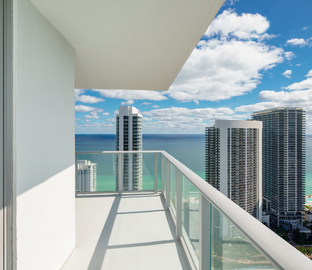
This Florida Condo Valuation Guide explains one of the most common questions lenders and condo buyers face during the insurance process: why the insurance amount does not always match the purchase price, appraised value, or loan amount. Insurance is designed to repair or rebuild the insured property — not insure the market value tied to location, demand, appreciation, or land value.

Understanding the Difference Between Market Value, Lending Value, and Insurable Value

Although these terms are often used interchangeably during a real estate transaction, they each serve a different purpose.

Market Value

Market value reflects what a buyer is willing to pay for a property. It may include:

  • Location
  • Water views
  • Rental potential
  • Demand and scarcity
  • Neighborhood trends

This number is influenced heavily by the local real estate market and buyer behavior.

Lending Value

Lending value supports the lender’s credit decision. It is typically based on:

  • Loan-to-value ratios
  • Appraised market value
  • Investor guidelines
  • Risk management standards

Lenders use this figure to evaluate the collateral supporting the loan.

Insurable Value

Insurable value focuses on one thing:

What would it cost to repair or rebuild the insured property today?

This value is based on replacement cost calculations, construction pricing, labor, materials, code requirements, and contractor overhead.

That means the insurance amount may be lower — or even higher — than the purchase price depending on the situation.

Why Condo Insurance Is More Complicated

Condo insurance is not a single policy. It is a combination of multiple layers of protection.

Association Master Policy

The condominium association’s master policy typically covers:

  • Building structure
  • Common elements
  • Shared property
  • Areas the association is required to insure

HO-6 Condo Unit Owner Policy

The unit owner’s policy generally covers:

  • Interior improvements
  • Betterments
  • Personal property
  • Liability
  • Loss of use
  • Loss assessments when applicable

Additional Considerations

Florida condo files may also involve:

  • Flood insurance requirements
  • Windstorm deductibles
  • Hurricane deductibles
  • Special assessments
  • Lender overlays

Because of this, forcing the HO-6 policy to match the loan amount without understanding the association’s coverage can create unnecessary problems during underwriting.

Florida Condo Insurance Challenges

Florida’s insurance market creates additional pressure on condo transactions due to:

  • Coastal exposure
  • Rising rebuilding costs
  • Flood risk
  • Association insurance requirements
  • Updated appraisal requirements
  • Large hurricane deductibles

In many cases, lenders need documentation from both the condo association and the individual unit owner policy before the file can move forward.

Common Condo Insurance Valuation Conflicts

Purchase Price Is Much Higher Than Replacement Cost

This often happens in desirable coastal markets where buyers pay premiums for:

  • Water views
  • Location
  • Rental income potential
  • Limited inventory

Insurance should still be based on credible replacement cost support — not inflated market demand.

Replacement Cost Is Higher Than the Sales Price

In some older condo projects or distressed sales, rebuilding costs may actually exceed market value due to construction pricing and code requirements.

Association Coverage Gaps

Sometimes the association master policy appears underinsured or unclear. This may require review of:

  • Master policy declarations
  • Insurance appraisals
  • Condo questionnaires
  • Governing documents

Disagreements Over HO-6 Coverage Limits

The required unit owner coverage often depends on whether the association insures:

  • Bare walls
  • Single entity
  • All-in coverage

Understanding the governing documents is critical before setting coverage limits.

Best Practices for Lenders and Borrowers

The smoothest condo closings happen when insurance conversations begin early.

Helpful documents include:

  • Current master policy declarations
  • Condo insurance certificates
  • Association replacement cost appraisals
  • Condo questionnaires
  • Flood zone determinations
  • Wind deductible information
  • Appraisal pages separating land value from improvement value

One important recommendation:

Instead of requesting “insurance equal to the loan amount,” ask for coverage supported by replacement cost and insurable value documentation.

How Florida Insurance Agency Helps

At Florida Insurance Agency, we help lender partners and condo buyers navigate the insurance side of the closing process by:

  • Reviewing master policies
  • Evaluating HO-6 responsibilities
  • Identifying flood and wind exposures
  • Using replacement-cost estimators
  • Documenting credible valuation support
  • Communicating underwriting requirements clearly

Our goal is to help protect the borrower, support the lender, and keep the file moving efficiently.

Final Thoughts

Insurance value should reflect what can realistically be repaired or rebuilt — not simply the price someone paid for the property.

When lenders, associations, appraisers, and insurance professionals communicate early, condo transactions become significantly smoother for everyone involved.

If you need help reviewing condo insurance requirements, replacement cost concerns, or lender documentation in Florida, contact Florida Insurance Agency today.

For additional details about condominium master policy and unit owner insurance requirements, visit the official Fannie Mae Condominium Insurance Requirements resource.

📞 850-994-9211
📧 CustomerService@flinsagency.com

Our Policy Is Great Service.

obtaining insurance without closing delays

Obtaining Insurance Without Closing Delays

By Helpful Information

Obtaining Insurance Without Closing Delays

Obtaining insurance without closing delays shouldn’t be stressful. But one of the most common causes of closing delays in Florida real estate transactions is last-minute insurance issues.

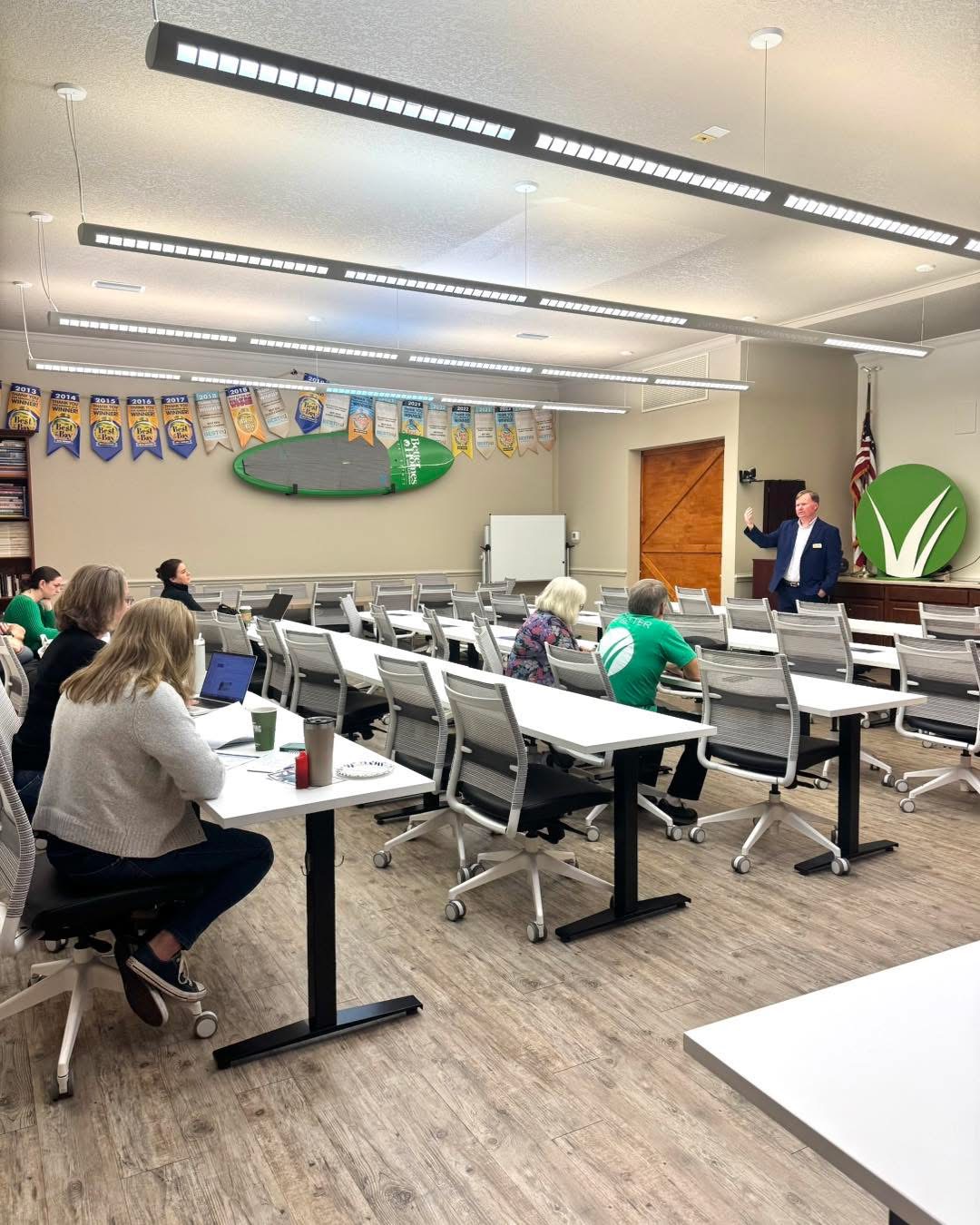
Recently, our team at Florida Insurance Agency had the opportunity to speak with real estate professionals at Better Homes and Gardens about how buyers can secure homeowners insurance without slowing down the closing process. The conversation reinforced something we see every day: early communication and proactive planning make all the difference.

If you’re a homebuyer or real estate agent in Florida, here’s what you need to know to avoid insurance-related closing delays.

Why Insurance Delays Happen Before Closing

In Florida’s insurance market, underwriting requirements are more detailed than in many other states. Inspections, roof age, wind mitigation reports, and prior claims history can all impact approval.

Common causes of closing delays include:

  • Waiting too long to start the insurance process
  • Older roofs that don’t meet underwriting guidelines
  • Missing 4-point or wind mitigation inspections
  • Incorrect property information on the application
  • Prior claims that require additional review
  • Lenders needing specific coverage forms or endorsements

When insurance is handled at the last minute, small issues can turn into major delays.

When Should Buyers Start the Insurance Process?

The best time to begin shopping for homeowners insurance in Florida is immediately after going under contract.

Ideally, buyers should:

  1. Contact an independent insurance agency right away
  2. Provide inspection reports as soon as they’re available
  3. Confirm roof age and major system updates
  4. Review coverage options before the final week of closing

Starting early gives underwriters time to review the property and prevents last-minute surprises.

How Real Estate Agents Can Help Prevent Insurance Delays

During our discussion with Better Homes and Gardens agents, we emphasized how agents play a key role in keeping transactions on track.

Here’s how agents can help:

  • Encourage buyers to contact an insurance agency early
  • Verify roof age before listing a property
  • Recommend obtaining a 4-point inspection on older homes
  • Communicate lender requirements upfront
  • Work with an agency that understands Florida underwriting guidelines

Strong communication between the buyer, agent, lender, and insurance advisor creates a smoother path to closing.

Why Working With an Independent Insurance Agency Matters

At Florida Insurance Agency, we represent multiple carriers. That flexibility allows us to:

  • Shop coverage options quickly
  • Find solutions for homes with unique underwriting challenges
  • Secure wind mitigation and inspection credits
  • Structure policies to meet lender requirements
  • Provide accurate binders and documentation on time

Because we specialize in both personal and commercial insurance throughout Florida, we understand the urgency of real estate timelines and work proactively to prevent delays.

Tips for Buyers in Florida’s Insurance Market

If you’re purchasing a home in Florida, keep these tips in mind:

  • Don’t wait until the week of closing to secure insurance
  • Be prepared to provide inspection reports
  • Ask about wind mitigation credits
  • Confirm replacement cost coverage
  • Work with a local agency that understands Florida regulations

The earlier insurance is handled, the smoother your closing will be.

Partnering With Local Real Estate Professionals

We’re grateful for opportunities to connect with local brokerages like Better Homes and Gardens to share insights and strengthen partnerships. Real estate transactions involve many moving parts, and insurance should support the process — not slow it down.

When we work together, we create better outcomes for buyers, sellers, and agents alike.

Need Help Securing Insurance Before Closing?

If you’re buying a home or representing a client in Florida, our team is here to help you secure homeowners insurance efficiently and without unnecessary delays.

Contact Florida Insurance Agency today to get started early and keep your closing on schedule.

Using Citizens’ Managed Repair Program

Using Citizens’ Managed Repair Program

By Helpful Information

Damage to your home can happen anytime. When it does, you want fast, personal and professional service to protect and restore your most valuable asset.

Sudden Water Damage?

Citizens has two programs that may be available to help you on the road to recovery when your home has water damage caused by accidental discharge or an overflow of water or steam from plumbing, heating, air conditioning, automatic fire-protective sprinkler systems or household appliances. Depending on the situation, you may be eligible to take advantage of one or both programs. Your Citizens representative will be here to answer your questions and guide you through the process, from start to finish. Note: Examples that are provided do not guarantee coverage for situations that are described.

Citizens’ Managed Repair Program

The Citizens Managed Repair Program offers services to qualified customers to return their home to its pre-loss condition if their property has suffered damage due to water not related to weather.

Free Emergency Water Removal Services Program

Swift action to protect your home from further damage is crucial following a water loss. Citizens offers free water removal and drying services following eligible water losses. Emergency Water Removal Services provide water remediation to protect a policyholder’s home from further damage from a water loss not caused by weather. Contact Citizens First to report your claim and take any necessary steps to stop an active leak. We quickly determine whether this valuable service is available for your loss, and if you participate in this program, your policy deductible does not apply for this completely free service.

Managed Repair Contractor Network Program

Contractor Connection has a network of approved contractors who can handle permanent repairs for covered damage to your home. You work with local contractors who are vetted, licensed and insured. Any approved work is guaranteed with a workmanship warranty by the approved contractor for five years once all repairs are complete. Your policy deductible applies for the covered permanent repairs.

Steps to Filing a Water Damage Claim with Citizens

  1. First Notice of Loss

You notice water on the floor in front of the refrigerator due to a broken water line in the wall. After shutting off the water to stop the active leak, you Contact Citizens First to report your claim either by submitting it via myPolicy on Citizens’ website or by calling Citizens. The free emergency water removal services program information will be provided during the process.

If you choose to participate in the program, Citizens immediately contacts the mitigation vendor to request service. Within one hour of reporting your claim, the mitigation contractor contacts you to arrange dry-out services. If you choose not to participate in the program and use your own mitigation contractor, your claim is subject to a $3,000 limit for water mitigation services, less any applicable deductible.

  1. Emergency Water Removal Services

After calling to report your claim and accepting our offer of free water removal services, your mitigation contractor will schedule a time with you to arrive on-site to begin dry-out services. The dry-out process may take several days depending on the severity of damage. If you have accepted our offer to use this service and it is subsequently determined that the loss is not covered, you are not responsible for payment of the mitigation services.

If you have not reported your claim to Citizens already, do so immediately to ensure that you comply with policy requirements. Citizens will arrange to have an adjuster come out and inspect the damage to determine the cause of loss.

Using your own mitigation contractor? Coverage for reasonable emergency measures taken in response to a covered water loss is limited to a maximum of $3,000, less any applicable deductible.

  1. Inspection

After the dry-out is complete, a Citizens adjuster will inspect your property and determine the cause of loss. In this example, your loss is covered and the adjuster writes a repair estimate for permanent repairs. The estimate for repairs will be reviewed with you before work begins.

Even if you used your own mitigation contractor, your policy requires you to notify Citizens of the loss and allow a Citizens adjuster to inspect your property before repairs begin to determine the cause of loss and extent of covered damage. Your claim for water mitigation for a covered loss is limited to $3,000 after any applicable deductible. The amount paid for mitigation, up to $3,000, also reduces the amount of money available within the total $10,000 limit for the water loss. Should your loss not be covered and you have used your own mitigation contractor, your costs are not reimbursed.

  1. Managed Repair Contractor Network

While discussing the estimate for repairs, your Citizens adjuster lets you know about the Managed Repair Contractor Network Program. Having repairs made through the Contractor Connection network connects you with local contractors who provide a five-year workmanship warranty on covered repairs. If you choose to participate in the program, you must sign a repair contract with a local Contractor Connection contractor and pay them your policy deductible.

Even if you used your own mitigation contractor, you may be eligible for repairs through the contractor network. Ask your adjuster for details.

If you choose not to participate in the Managed Repair Contractor Network Program and hire your own contractor, your claim is subject to a $10,000 limit for permanent repairs, which includes any amount paid by Citizens for reasonable emergency measures if you also declined Citizens’ offer of free emergency water removal services.

  1. During Repairs

As work begins on the repairs, your adjuster will reach out to you to monitor progress and answer any questions you might have. They will work with you to set up a regular update call to ensure all repairs are progressing and meeting your expectations.

  1. Completion and Satisfaction

Once repairs are complete, you should ask your contractor to walk through everything with you to make sure everything has been completed to your satisfaction. Your contractor will ask you to sign a Certificate of Satisfaction. The contractor also should provide you information about the warranty for covered permanent repairs as well as contact information.

Once the contractor submits the signed Certificate of Satisfaction, we will issue a check payable to you and your contractor. You will receive a closing letter from Citizens in the mail to confirm the final process.

  1. Final Survey

Citizens will reach out after the entire process is complete to gather feedback and answer any questions you might have.

Need to report a claim?

Contact Citizens First

Report it online via myPolicy at www.citizensfla.com/mypolicy 24 hours a day, seven days a week  or call (866) 411-2742!

Original source: Citizens Property Insurance Corporation

hurricane tips

Hurricane Tips

By Helpful Information

Preparing ahead of time makes a significant difference when a hurricane threatens your area. Once you have completed your general storm preparations, it is essential to understand what actions to take when the National Weather Service issues a hurricane watch or hurricane warning for your location. The following hurricane tips explain what to do before, during, and after a storm so you can protect your family, property, and peace of mind.

First, it is important to understand the difference between a hurricane watch and a hurricane warning. Knowing this distinction helps you respond quickly and confidently. A hurricane watch means hurricane conditions are possible within the next 48 hours. At this stage, preparation becomes critical.

Hurricane Watch: Conditions Possible Within 48 Hours

To begin, review your evacuation routes and identify multiple options in case roadways become congested. At the same time, listen closely to guidance from local officials by monitoring trusted local radio, television, or emergency alert systems. These hurricane tips help you stay informed as conditions change.

Next, review your disaster supply kit and restock any missing items. Additionally, tailor your supplies to meet the needs of your household, including children, elderly family members, individuals with disabilities, and pets. For example, include medications, medical equipment, comfort items, and extra food or water. Taking these steps early allows you to act calmly rather than rush later.

Hurricane Warning: Conditions Expected Within 36 Hours

When officials issue a hurricane warning, hurricane conditions are expected within 36 hours, and immediate action becomes necessary. First and foremost, follow evacuation orders issued by local authorities. These orders are based on safety and risk assessments, so taking them seriously is one of the most important hurricane tips you can follow.

Meanwhile, check in with family and friends using text messages or social media. Communication plays a key role during emergencies, and letting others know your plans helps everyone stay connected and informed. In addition, continue following your hurricane preparedness timeline based on when the storm is expected to arrive and how it may impact your area.

Final Hurricane Tips for Staying Prepared

Ultimately, preparation, communication, and awareness work together to keep you safe. By understanding alerts, following official guidance, and using proven hurricane tips, you can reduce stress and make better decisions before, during, and after a storm.

Always stay up to date with The National Weather Service.

home safe home

Home Safe Home

By Helpful Information

Home Safe Home

Spring cleaning season is here. As you create your plan for cleaning indoors and outdoors, place safety at the top of your checklist. Take time to poison-proof key areas of your home. After all, “Home Safe Home” truly means “Home Sweet Home.”

Keep all cleaning products out of reach of children and pets. Oven cleaners and drain openers pose the highest risk. Many cleaners come in bright colors or sweet scents, which can cause children to mistake them for drinks. Secure over-the-counter and prescription medications as well. Household chemicals and medications can cause serious harm. Fortunately, you can prevent most poisonings with proper storage.

Utility Room

Laundry detergent packets offer convenience, but they also create serious risks. Always store them out of reach of children. Last year, exposure to these packets poisoned more than 6,000 children. The detergent inside is highly concentrated and dangerous.

Symptoms can include severe vomiting, breathing trouble, and loss of consciousness. Some children require ventilator support. Although the packets resemble candy, they can cause life-threatening injuries. In case of an emergency, save the Poison Control Center number—800-222-1222—in your phone contacts.

Garage and Garden

Store hazardous products such as gasoline, paint, antifreeze, pesticides, and bug spray securely. Keep these items away from children and pets at all times. Store garden tools and equipment safely to reduce the risk of injury.

Consider installing storage cabinets or shelving in your garage or garden shed. Organization helps prevent accidents before they happen. Regularly review these spaces and remove hazards that may go unnoticed. Taking a few extra steps can turn a dangerous area into a safer one.

March 20, 2020 | Tower Hill Insurance

avoid scams during covId-19

Avoid Scams During COVID-19

By Helpful Information

Stay Alert for COVID-19 Scams

On March 6, 2020, the Cybersecurity and Infrastructure Security Agency (CISA) issued an alert urging individuals and organizations to remain especially alert for scams related to the coronavirus (COVID-19). During times of uncertainty, cybercriminals often take advantage of fear, confusion, and the desire for timely information. As a result, cyber actors may send emails containing malicious attachments or links that direct users to fraudulent websites. These scams often aim to steal sensitive personal or financial information or persuade victims to donate to fake charities or causes.

How Scammers Target Victims

Fraudulent emails and messages often appear legitimate. They may include official-looking logos, urgent language, or familiar names to gain trust. Now is the time to exercise heightened caution when handling any email, text message, social media post, or phone call related to COVID-19. Messages with pandemic-related subject lines, unexpected attachments, or unfamiliar hyperlinks should be treated with suspicion. Similarly, social media pleas, unsolicited texts, and phone calls requesting personal information or donations should raise red flags.

Cybersecurity Precautions to Follow

CISA recommends taking the following precautions to protect yourself and your family:

1. Be Cautious with Emails and Links

Avoid clicking on links or opening attachments in unsolicited emails, even if the message appears urgent or claims to come from a trusted source. Cybercriminals often rely on social engineering tactics to pressure recipients into acting quickly without verifying the sender.

2. Rely on Trusted Information Sources

Use government websites and recognized public health organizations for accurate, up-to-date information about COVID-19. These sources provide fact-based guidance without requesting personal or financial information.

3. Protect Personal and Financial Information

Never share sensitive details such as passwords, Social Security numbers, or banking information in response to unsolicited requests. Legitimate organizations will not ask for this information through email or text messages.

4. Verify Charities Before Donating

Fraudulent charities often emerge during crises, using emotional appeals to solicit donations under false pretenses. Always verify a charity’s authenticity before giving. The Federal Trade Commission provides resources to help consumers identify and avoid charity scams.

5. Review CISA Insights on Risk Management

CISA offers guidance on risk management during COVID-19 to help individuals and organizations recognize evolving threats and take appropriate precautions.

Stay Vigilant

Following these steps is an important way to protect your personal information and reduce your risk of falling victim to COVID-19-related scams. Staying informed and cautious helps ensure you and your loved ones remain safe during this stressful time.

Adapted from www.ncua.gov/